


A Quest for Justice
A Quest for Justice

“A Quest for Justice, October 7 and Beyond" is the first comprehensive legal and evidentiary framework to analyze the systematic use of sexual violence as a weapon of war during the October 7 Hamas attacks on Israel.
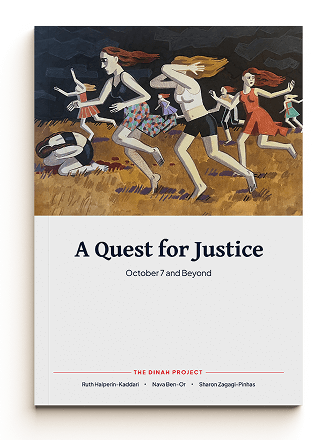
“A Quest for Justice, October 7 and Beyond" is the first comprehensive legal and evidentiary framework to analyze the systematic use of sexual violence as a weapon of war during the October 7 Hamas attacks on Israel.
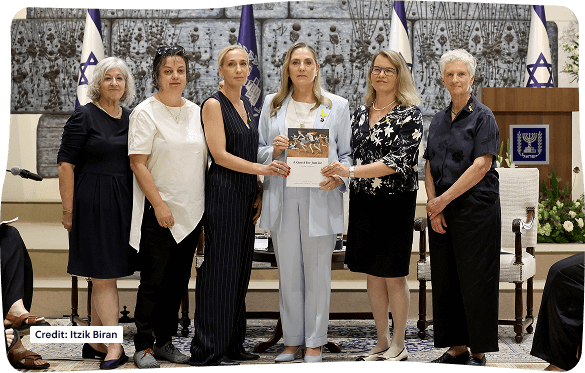
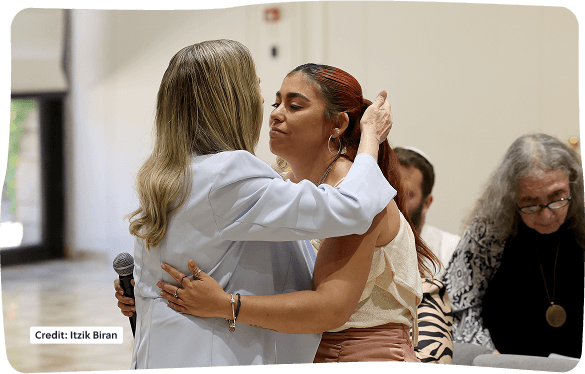
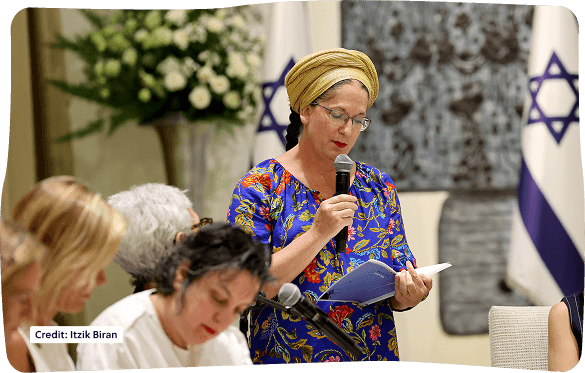
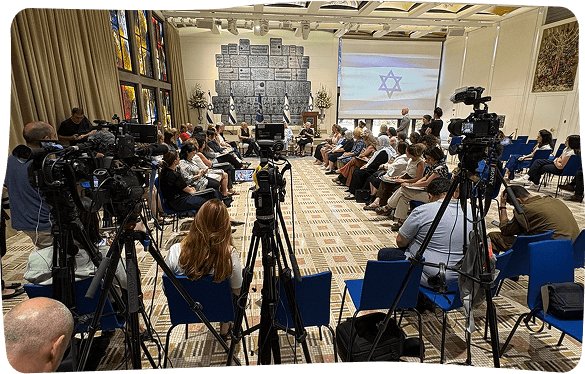
Unlike prior reports that focused on documenting atrocities, this book builds a legal blueprint for prosecuting these crimes, even when direct attribution to individual perpetrators is impossible to prove.
What makes this report different?


Others stop at human rights 3 language, we map the legal doctrines (joint criminal enterprise, derivative liability) that can unlock actual court cases.


Others focus on local justice, we target international mechanisms, from protocols to the UN blacklist.
Led by an all-women team of globally recognized experts in law and gender, “A Quest for Justice, October 7 and Beyond" challenges governments, the ICC, the UN, and human rights bodies to act:
- To prosecute Hamas for crimes against humanity
- To blacklist Hamas under UN mechanisms for using sexual violence as a war tactic
- To shift international legal standards for how conflict-related sexual violence is addressed- in Israel and beyond
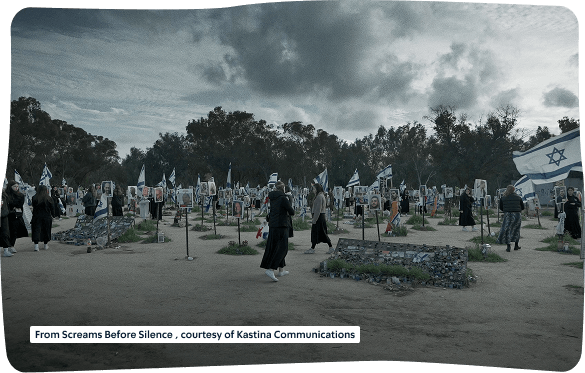
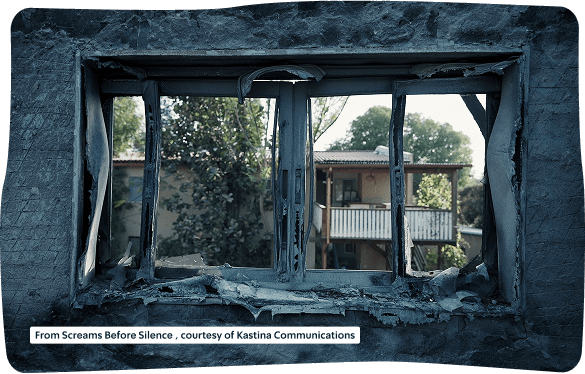
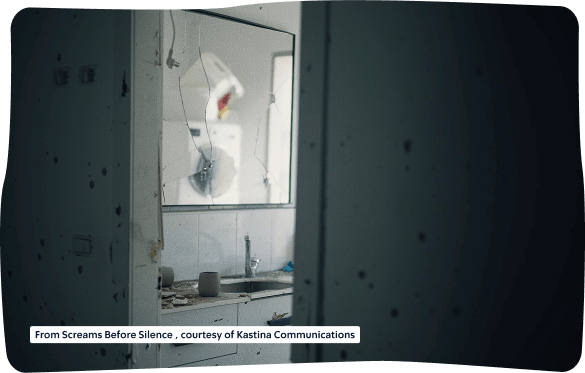
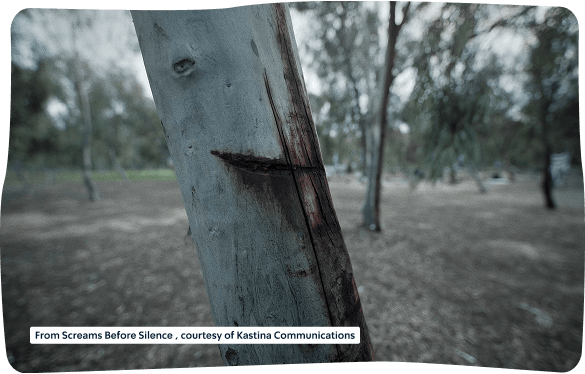
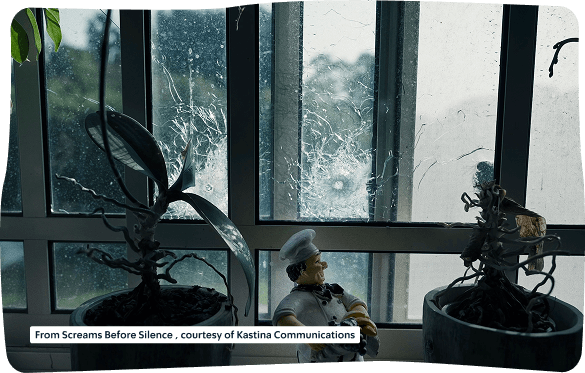
This is not an Israeli government paper.
This is not a human rights NGO report.
This is a globally relevant legal intervention that could shape how courts, UN bodies, and prosecutors worldwide approach sexual violence as a weapon of war.
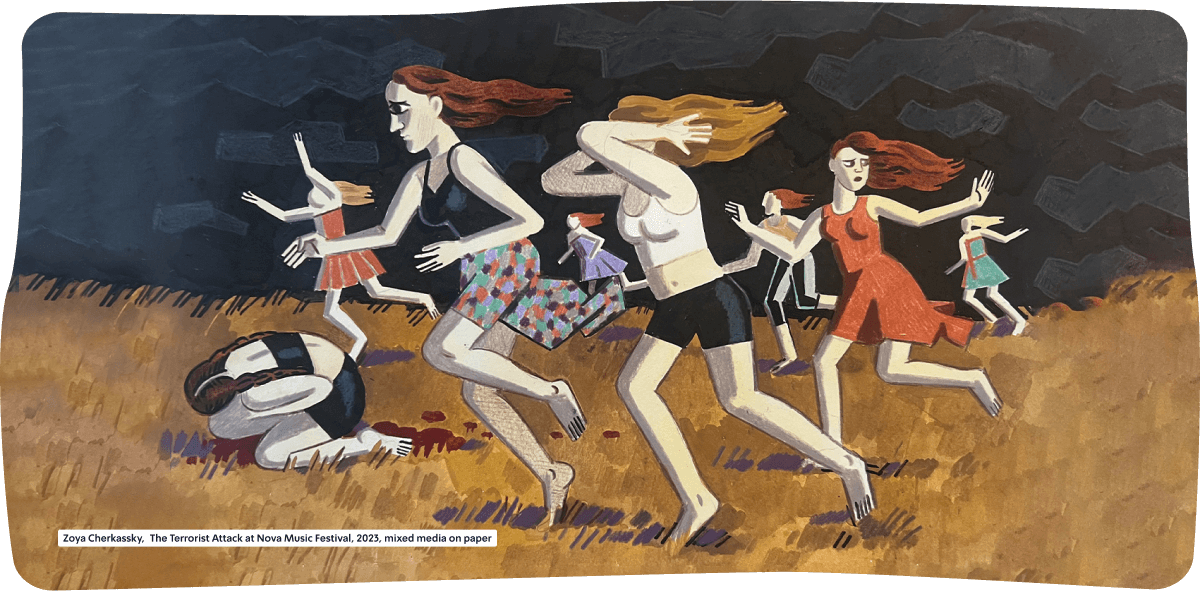
“A Quest for Justice: October 7 and Beyond”– the first legal and evidentiary blueprint showing how to prosecute the systematic sexual violence committed during the October 7 attacks by Hamas as part of a genocidal campaign.
What’s the new, unreported, original element here?
This is not “another human rights report.”
This is the first global legal blueprint explaining how to prosecute sexual violence as a weapon of war- even when evidence is messy, survivors are gone, and individual perpetrators can’t be tied to individual acts.

Drawing on survivors’ and other testimonies, forensic evidence, international law, and criminal responsibility doctrines (including joint criminal enterprise and derivative liability), the book argues that sexual violence was not incidental, but part of a deliberate genocidal strategy.
The evidence we have gathered leaves no doubt: sexual violence was deliberately deployed as a weapon of war on October 7th, demanding a new framework for justice and accountability.

FAQ
What is the Dinah Project?
The Dinah Project is a group of legal and feminist experts dedicated to ensuring recognition and justice for victims of conflict-related sexual violence, with a particular focus on the heinous sexual violence and gender atrocities perpetrated on October 7, 2023, and the ongoing abuse of hostages. Founded in the immediate aftermath of the Hamas attacks, the project mobilized not only to bear witness to the atrocities, but to counter denial, misinformation, and global silence surrounding one of the most underreported dimensions of the attack: the systematic use of sexual violence as a weapon of war. The project is named after Dinah, the first recorded rape victim in the Bible, a symbol of the demand for recognition for all victims of sexual abuse. The name also evokes law and justice, reflecting the project’s commitment to advancing accountability and reshaping national and international legal doctrines, including those relating to terrorism and genocidal rape.
How has the Dinah Project contributed since its establishment?
In the short time since its inception, the Dinah Project has built a comprehensive knowledge base and become a leading resource in Israel and worldwide in the call for recognition and justice for the victims of sexual crimes committed on October 7 and for the hostages.
Based on its expertise and professionalism, the Dinah Project has provided briefings to the UN Security Council (New York), the UN High Commissioner for Human Rights (Geneva), and senior White House staff, as well as to high-level domestic officials and policymakers. The project has presented its findings and legal positions to dozens of ministers of foreign affairs, ambassadors, and diplomats across Europe, North America, and the Far East.
The Dinah Project was instrumental in bringing to Israel a UN fact-finding mission led by Pramila Patten, Under-Secretary-General and Special Representative on Sexual Violence in Conflict (SRSG-SVC). The mission documented clear evidence of severe sexual violence, including rape, gang rape, sexualized torture, humiliation, and cruel treatment, and concluded that there are reasonable grounds to believe that conflict-related sexual violence was deliberately deployed during the October 7 attacks and that such violence persists against hostages.
What is the impact of the Dinah Project?
In a remarkably short period, the Dinah Project has played a central role in shaping international recognition of the sexual violence committed on October 7. Its work has informed official UN processes and reports, including the adoption of the findings of the SRSG Patten report by the UN Secretary-General in his annual report on conflict-related sexual violence. Following the Dinah Project’s report, the UN Secretary-General announced that Hamas will be added to the UN blacklist of groups that commit sexual violence as a weapon of war. The report’s systematic documentation of testimonies and evidence directly influenced this international recognition and reinforced the project’s role in shaping global accountability mechanisms.
The project actively promotes international investigations and accountability mechanisms, including advocacy for the listing of Hamas under relevant UN mechanisms for the use of sexual violence as a tactic of war. It advances an innovative legal thesis of collective and joint responsibility, aimed at enabling domestic and international prosecution even where direct attribution to individual perpetrators is impossible. The Dinah Project’s work has been widely cited and discussed in international media, diplomatic forums, legal institutions, and academic settings around the world.
What is A Quest for Justice: October 7 and Beyond?
A Quest for Justice: October 7 and Beyond is the first comprehensive legal and evidentiary blueprint analyzing the systematic use of sexual violence as a weapon of war during the October 7 Hamas attacks on Israel. Unlike prior reports that focused primarily on documenting atrocities, this report builds a concrete legal framework for prosecuting these crimes, even when evidence is fragmented, survivors are no longer alive, and individual perpetrators cannot be tied to specific acts. The report provides a full evidentiary model that integrates multiple layers of proof, including survivors’ and other testimonies, forensic and digital evidence, and field reports. It maps the legal doctrines, such as joint criminal enterprise and derivative liability, that can unlock actual court cases. The report demonstrates that sexual violence was not incidental, but part of a deliberate and premeditated strategy, amounting to crimes against humanity under the Rome Statute and constituting sexual violence as a genocidal tactic.
First published in Hebrew and subsequently released in additional languages, A Quest for Justice: October 7 and Beyond is not an Israeli government paper and not a human rights NGO report. It is a globally relevant legal intervention, designed to shape how courts, UN bodies, and prosecutors worldwide approach conflict-related sexual violence.
How can one join or engage with the Dinah Project?
The Dinah Project works in collaboration with experts, civil society organizations, academic institutions, and policymakers in Israel and internationally. Individuals and institutions committed to advancing recognition, accountability, and justice for victims of conflict-related sexual violence are invited to engage through partnerships, conferences, briefings, legal initiatives, and advocacy efforts.
How can the Dinah Project be supported?
The Dinah Project relies on public and philanthropic support to sustain its work. Support can be provided through financial contributions in multiple currencies, as well as through professional, academic, and public engagement. Contributions directly support research, evidentiary analysis, international advocacy, and efforts to counter denial, disinformation, and silencing of sexual violence in conflict.
Why is the Dinah Project relevant beyond the Israeli context?
The Dinah Project is not only about Israel. It serves as a global legal test case for addressing conflict-related sexual violence in situations where evidentiary challenges are acute and traditional criminal law frameworks fall short. By developing and advancing new legal and evidentiary approaches, the project seeks to influence international standards and accountability mechanisms, contributing to the protection of victims of sexual violence in conflicts worldwide.

Prof. Ruth Halperin-Kaddari,
Judge (Ret.) Nava Ben-Or,
Att. Col (Res.) Sharon Zagagi-Pinhas
Authors
Nurit Jacobs-Yinon
Visual Editor
Eetta Prince-Gibson
Linguistic Editor

Prof. Ruth Halperin-Kaddari,
Judge (Ret.) Nava Ben-Or,
Att. Col (Res.) Sharon Zagagi-Pinhas
Authors
Nurit Jacobs-Yinon
Visual Editor
Eetta Prince-Gibson
Linguistic Editor